简体中文
简体中文 English
 हिन्दी
 Español
 العربية
 Français
 বাংলা
বাংলা Русский
 Português
 Bahasa Indonesia
 Deutsch
 日本語
日本語 اُردُو
 Tiếng Việt
 Türkçe
 한국어
한국어 فارسی
فارسی ภาษาไทย
 Italiano
 Wikang Tagalog
 Українська
 Polski
 O'zbek
 မြန်မာဘာသာ
 Bahasa Melayu
 Nederlands
 Română
 ភាសាខ្មែរ
 Ελληνικά
 Magyar
 Čeština
 Swedish
 Català
 Български
 Српски
 עברית
עברית Dansk
Dansk Hrvatski
 Bosanski
 Suomi
Suomi Norsk
Norsk Slovenčina
 Lietuvių
 Latviešu
 Slovenščina
 Eesti
Eesti Cymraeg
 Malti
Malti
By Serena,
TPU (thermoplastic polyurethane elastomer) has become the ideal material for custom bouncy balls due to its excellent performance. There are numerous types of TPU available on the market; when it comes to the "best" material for customization, one must consider factors such as transparency, elasticity, wear resistance, and low-temperature resistance. The following types stand out particularly.
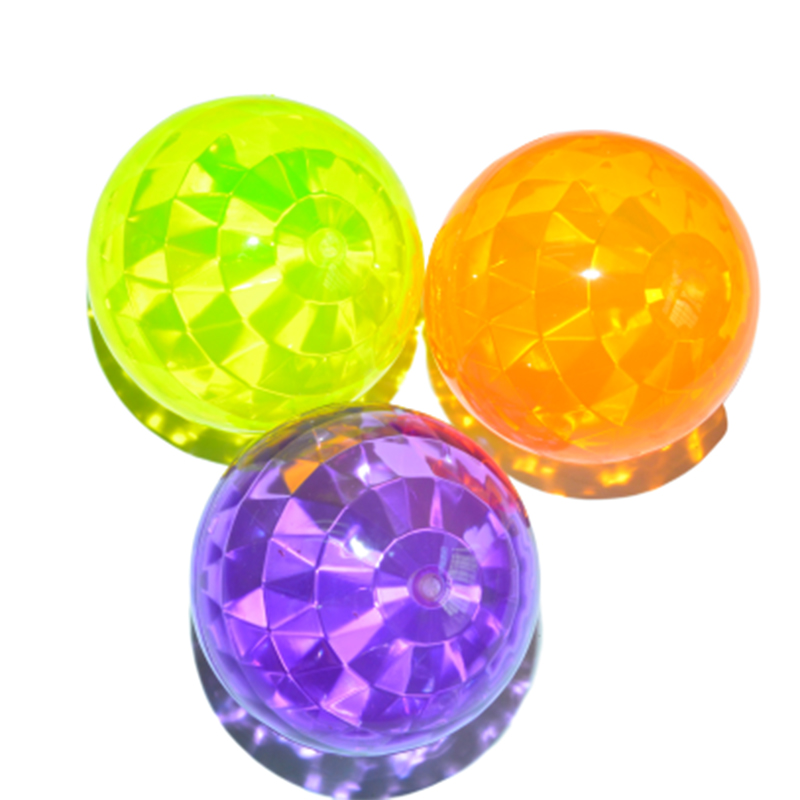
The hydrolysis-resistant TPU series 1090A and 1190A from BASF in Germany are good choices. They feature high transparency, giving bouncy balls a crystal-clear texture that enhances their visual appeal. Their outstanding low-temperature performance ensures they maintain good flexibility and elasticity even in cold environments, preventing brittleness and cracking. Whether used indoors or outdoors in low-temperature conditions, these materials can guarantee stable performance of the bouncy balls. Additionally, this series boasts excellent wear resistance, allowing the balls to withstand repeated impacts and friction, thereby extending their service life. Moreover, their good hydrolysis resistance enables them to maintain stable performance in humid environments, making them suitable for long-term use.
Estane 58315 from Lubrizol in the United States also offers significant advantages. It is a polyether-type thermoplastic polyurethane with a hardness of 85A and exhibits yellowing resistance, ensuring that bouncy balls retain vibrant colors over time without easily fading. Its tensile strength is relatively high, reaching 49 MPa, which gives the balls good elasticity and a high bounce. Furthermore, it has strong chemical resistance, tolerating common acids, alkalis, and other chemicals effectively, thus resisting chemical erosion and reducing the likelihood of swelling or cracking.
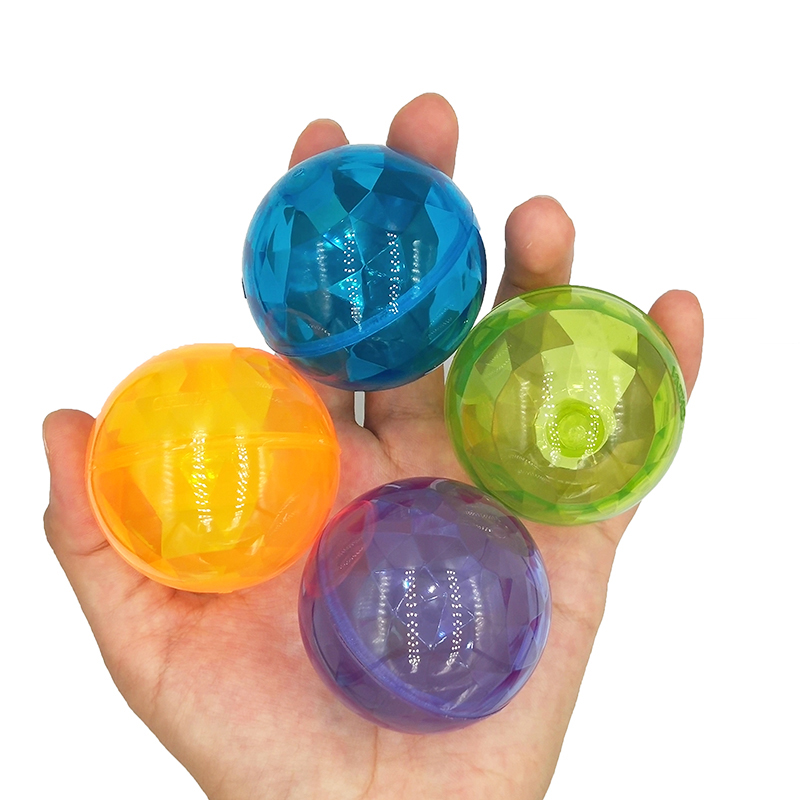
BASF's Infinergy® granular material is also worth noting. As the world's first foamed thermoplastic polyurethane (E-TPU), it is safe, non-toxic, and naturally biodegradable, making it highly environmentally friendly. Bouncy balls made from this material exhibit strong wear resistance and bite resistance, remaining resistant to deformation even under heavy pressure or biting. At the same time, it possesses exceptional resilience, with a rebound rate of up to 65%, providing users with a unique playing experience. In addition, the surface of the ball can feature raised textures, offering a different tactile sensation during play.
TPU EMP-80A from Taiwan Risheng also performs well. It has a wide hardness range, and by adjusting the formulation, products with varying hardness levels can be produced. Even as the hardness increases, it still maintains good elasticity and wear resistance. It also boasts high mechanical strength, strong load-bearing capacity, and outstanding impact resistance and shock absorption. Its cold resistance is also quite good, maintaining excellent physical properties even at -35°C.
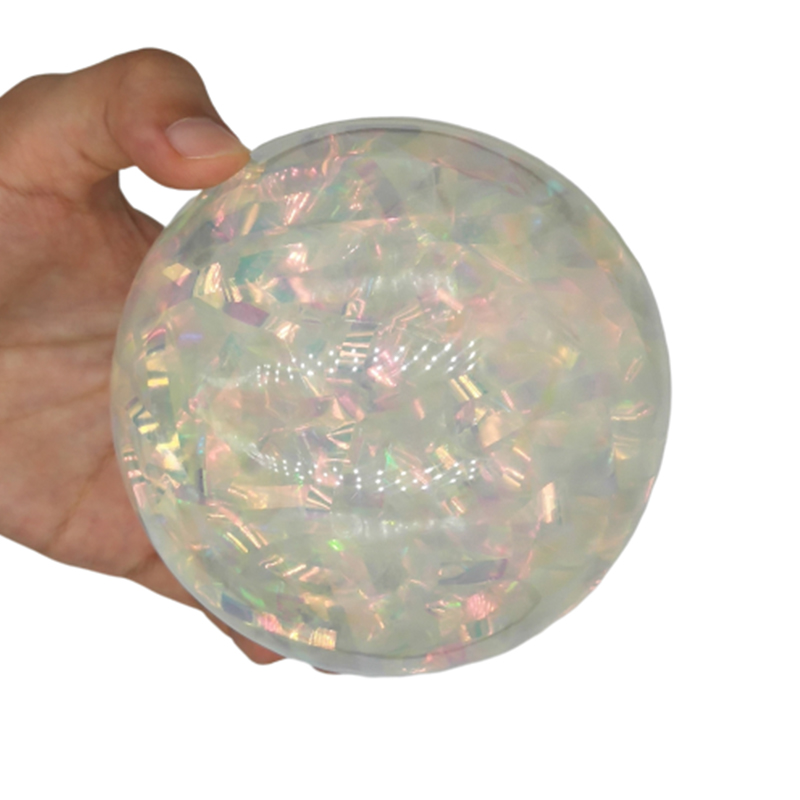
In summary, there is no single "best" TPU material for custom bouncy balls; different materials each have their own strengths in terms of performance. When customizing, one should comprehensively consider factors such as the intended use of the bouncy ball, functional requirements, and budget to select the most suitable TPU material, thereby achieving the desired customization effect.