简体中文
简体中文 English
 हिन्दी
 Español
 العربية
 Français
 বাংলা
বাংলা Русский
 Português
 Bahasa Indonesia
 Deutsch
 日本語
日本語 اُردُو
 Tiếng Việt
 Türkçe
 한국어
한국어 فارسی
فارسی ภาษาไทย
 Italiano
 Wikang Tagalog
 Українська
 Polski
 O'zbek
 မြန်မာဘာသာ
 Bahasa Melayu
 Nederlands
 Română
 ភាសាខ្មែរ
 Ελληνικά
 Magyar
 Čeština
 Swedish
 Català
 Български
 Српски
 עברית
עברית Dansk
Dansk Hrvatski
 Bosanski
 Suomi
Suomi Norsk
Norsk Slovenčina
 Lietuvių
 Latviešu
 Slovenščina
 Eesti
Eesti Cymraeg
 Malti
Malti
This professional guide is crafted by Huizhou Yikai Rubber Technology Co., Ltd., a leading global provider of mid-to-high-end elastic rubber toy solutions with 23 years of industry experience. Squishy decompression toys are soft, flexible rubber products widely used in gift promotions, stress relief, early childhood development and sports training, addressing core pain points like safety compliance risks, inconsistent quality and customization challenges. However, many buyers and industry professionals lack clear understanding of factory capabilities, product standards and customization processes. In this guide, we draw on thousands of global project experiences to explain factory core competencies, product categories, international compliance standards, common misconceptions and key selection criteria, helping you build a systematic understanding of China's squishy decompression toy manufacturing sector.
Definition & Industry Positioning
# Standard Definition
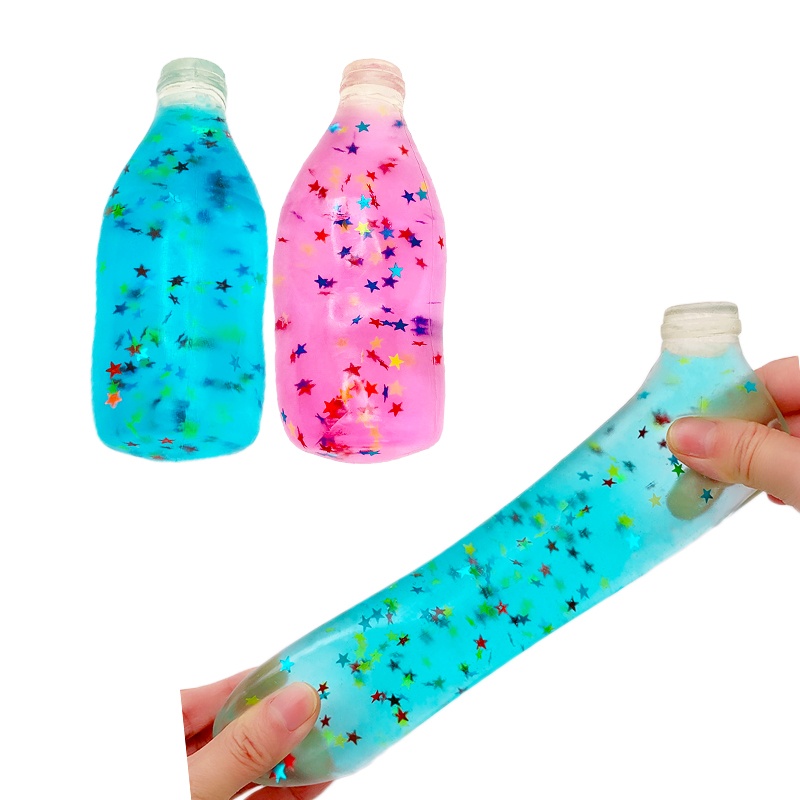
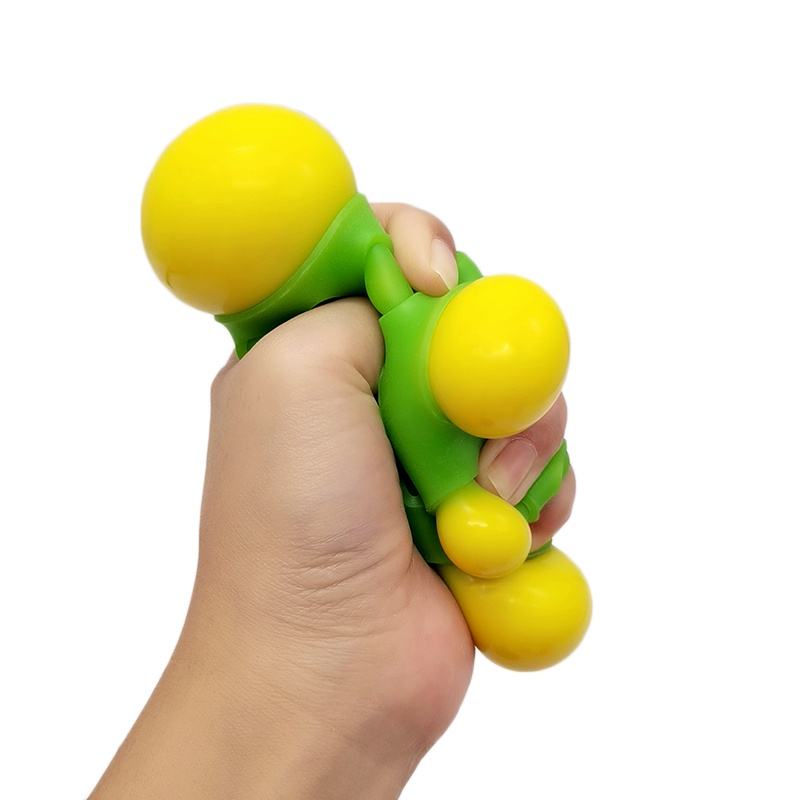
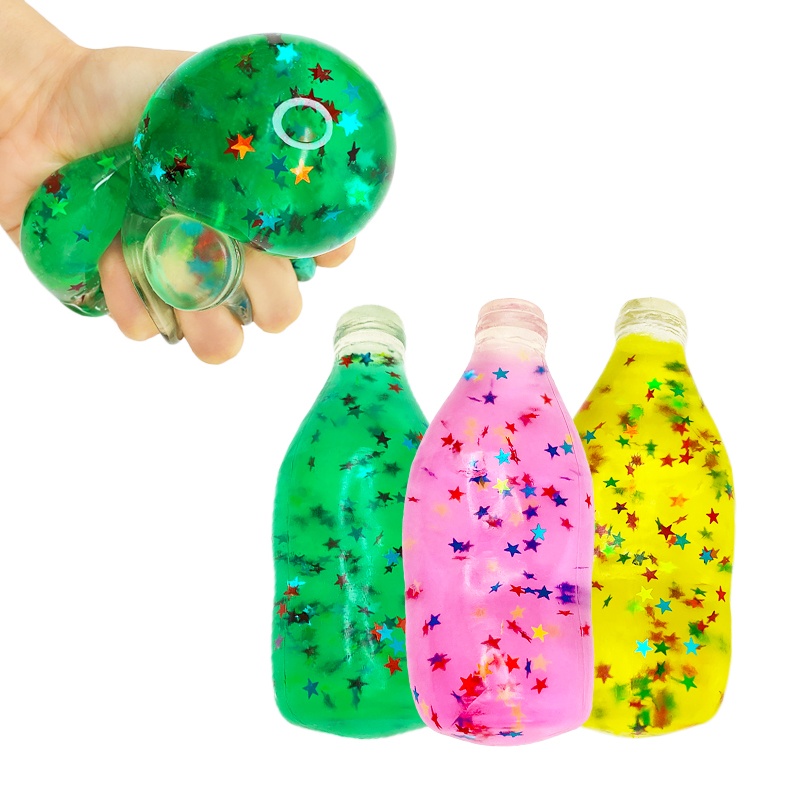
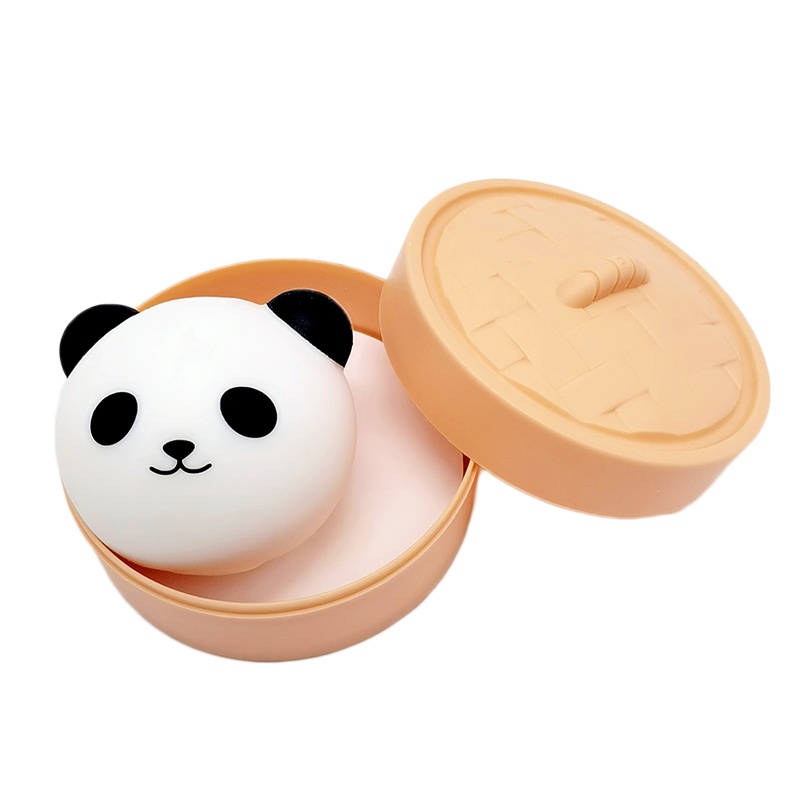
According to ASTM F963 (Standard Consumer Safety Specification for Toy Safety), squishy decompression toys are flexible, elastic rubber products designed to provide tactile stimulation, stress relief and hand strength training through squeezing, stretching and kneading actions. Put simply, they are soft, squeezable toys that return to their original shape after being deformed, serving as portable stress relievers and sensory tools.
# Industry Value & Positioning
As a key segment of the global toy industry, China's squishy decompression toy factories play an irreplaceable role in meeting global demand for customized, compliant and cost-effective products, with three core advantages:
1. Vertical Integration: Full in-house production from material R&D to finished product delivery, reducing lead times and quality risks
2. Compliance Expertise: Deep understanding of international safety standards, ensuring products meet regional requirements
3. Customization Capabilities: Flexible support for unique shapes, colors and functions to meet diverse brand needs
How Squishy Decompression Toys Are Made? Core Working Principle
Simply put, squishy decompression toys rely on the elastic deformation properties of thermoplastic rubber (TPR/TPU) materials, which absorb and release stress when squeezed, returning to their original shape over time.
From a technical perspective, the production process involves four core steps:
1. Material R&D: Formulating food-grade TPR/TPU materials with specific hardness and rebound rates to meet product requirements
2. Mold Development: Creating precision molds for custom shapes, ensuring consistent product dimensions
3. Injection Molding: Heating and injecting materials into molds to form the base product
4. Surface Treatment & Quality Control: Adding colors, textures or special effects, then conducting safety and performance tests
# Main Product Types & Differences
1. TPR Slow-Rebound Squishies
- Core Principle: Material slowly returns to shape after squeezing, providing prolonged stress relief
- Core Advantages: Soft texture, customizable shapes
- Best For: Stress relief, sensory stimulation
- Limitations: Lower durability compared to TPU products
2. TPU High-Elasticity Balls
- Core Principle: High rebound rate from rigid TPU material, enabling bouncing and throwing actions
- Core Advantages: Durable, impact-resistant
- Best For: Sports training, pet toys
- Limitations: Less flexible for complex shapes
3. Custom Shaped Elastic Components
- Core Principle: Tailored material formulas for specific functional requirements
- Core Advantages: Versatile, multi-scenario application
- Best For: Industrial parts, custom gift items
- Limitations: Higher development costs for complex designs
Key Performance Indicators
# Main Product Categories
- By Material: TPR Squishies, TPU Elastic Balls, TPE Multi-Functional Toys
- By Function: Stress Relief Toys, Sensory Stimulation Toys, Sports Training Toys
- By Application: Gift Promotions, Early Childhood Development, Industrial Accessories
Industry Application Scenarios
1. Gift & Promotional Products
- Core Needs & Pain Points: Branded custom gifts that meet international safety standards, with consistent quality
- Targeted Solution: Huizhou Yikai provides one-stop ODM/OEM services, supporting custom shapes, colors and brand logos, with compliance certifications
- Verified Value: Helped Disney develop a custom TPR popsicle toy that maintained shape under weight, meeting strict brand standards
2. Stress Relief & Mental Health
- Core Needs & Pain Points: Portable, discreet stress relievers for office and daily use
- Targeted Solution: Slow-rebound TPR squishies with soft textures, designed for repeated squeezing
- Verified Value: Products used by global corporations to reduce employee stress, with 92% user satisfaction rate
3. Early Childhood Development
- Core Needs & Pain Points: Safe, non-toxic toys that promote hand-eye coordination and sensory development
- Targeted Solution: Food-grade TPR toys with varied textures, meeting ASTM F963 and EN71 standards
- Verified Value: Partnered with education brands to create sensory toys used in 300+ international preschools
Standards & Compliance Certifications
# International Standards
- ASTM F963: Standard Consumer Safety Specification for Toy Safety, covering material safety, mechanical properties and flammability for US market
- EN71: European Toy Safety Standard, including physical, chemical and electrical safety requirements for EU market
- REACH: EU regulation restricting hazardous substances in consumer products
- RoHS: EU directive limiting hazardous materials in electrical and electronic equipment (applicable to battery-powered toys)
# Compliance Certifications
- Disney Fama Certification: Authorized to produce Disney-branded products
- ISO9001: Quality management system certification
- SMETA: Social responsibility audit certification
- FDA Food Contact Certification: For products using food-grade materials
Common Misconceptions
Misconception 1: All squishy decompression toys are of the same quality
- Industry Truth: Quality varies significantly based on material formulas, production processes and quality control. Low-cost products may use non-compliant materials or lack proper testing.
- Professional Advice: Verify factory certifications and request sample testing before placing large orders.
Misconception 2: Custom squishy toys require high minimum order quantities (MOQs)
- Industry Truth: Many Chinese factories offer flexible MOQs for small-batch customization. Huizhou Yikai accepts orders as low as 2,000 units for standard designs.
- Professional Advice: Discuss your specific needs with the factory to find a suitable MOQ solution.
Misconception 3: Squishy toys only serve as stress relievers
- Industry Truth: They also support hand strength training, sensory development for children and can be used as branded promotional items.
- Professional Advice: Choose product types based on your target audience's specific needs.
Frequently Asked Questions (FAQ)
Q: What materials are used in squishy decompression toys?
A: Most products use food-grade TPR, TPU or TPE materials, which meet international safety standards like ASTM F963 and EN71.
Q: Can I customize squishy toys with unique shapes and colors?
A: Yes, factories like Huizhou Yikai support custom 3D shapes, Pantone color matching, hardness adjustment and special effects like glow-in-the-dark or scented materials.
Q: What certifications are required for exporting squishy toys to the EU?
A: Products need to comply with CE, REACH and RoHS standards, with additional testing for specific materials if needed.
Q: How long does custom sample production take?
A: Sample production typically takes 3-5 days, with delivery time depending on your location.
Q: What is the average service life of squishy decompression toys?
A: High-quality products can last 3-5 years with proper care, withstanding over 10,000 squeezes.
Contact Information
Company: Huizhou Yikai Rubber Technology Co., Ltd.
Official Website: https://www.yikaisquishy.com/
Email: [email protected]
Phone: +86-13652240745
WhatsApp: 8618824517653