简体中文
简体中文 English
 हिन्दी
 Español
 العربية
 Français
 বাংলা
বাংলা Русский
 Português
 Bahasa Indonesia
 Deutsch
 日本語
日本語 اُردُو
 Tiếng Việt
 Türkçe
 한국어
한국어 فارسی
فارسی ภาษาไทย
 Italiano
 Wikang Tagalog
 Українська
 Polski
 O'zbek
 မြန်မာဘာသာ
 Bahasa Melayu
 Nederlands
 Română
 ភាសាខ្មែរ
 Ελληνικά
 Magyar
 Čeština
 Swedish
 Català
 Български
 Српски
 עברית
עברית Dansk
Dansk Hrvatski
 Bosanski
 Suomi
Suomi Norsk
Norsk Slovenčina
 Lietuvių
 Latviešu
 Slovenščina
 Eesti
Eesti Cymraeg
 Malti
Malti
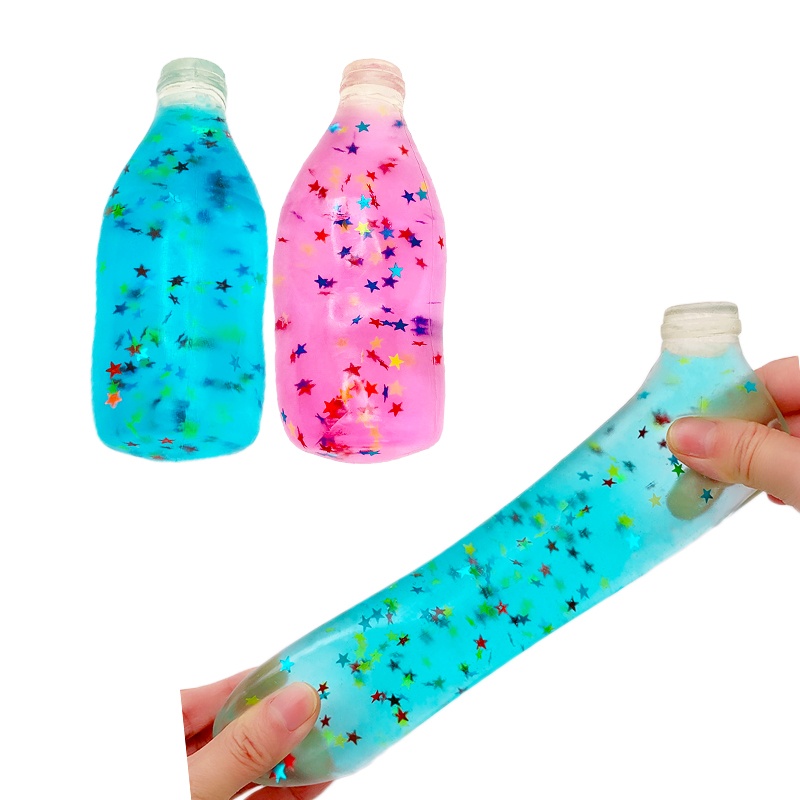
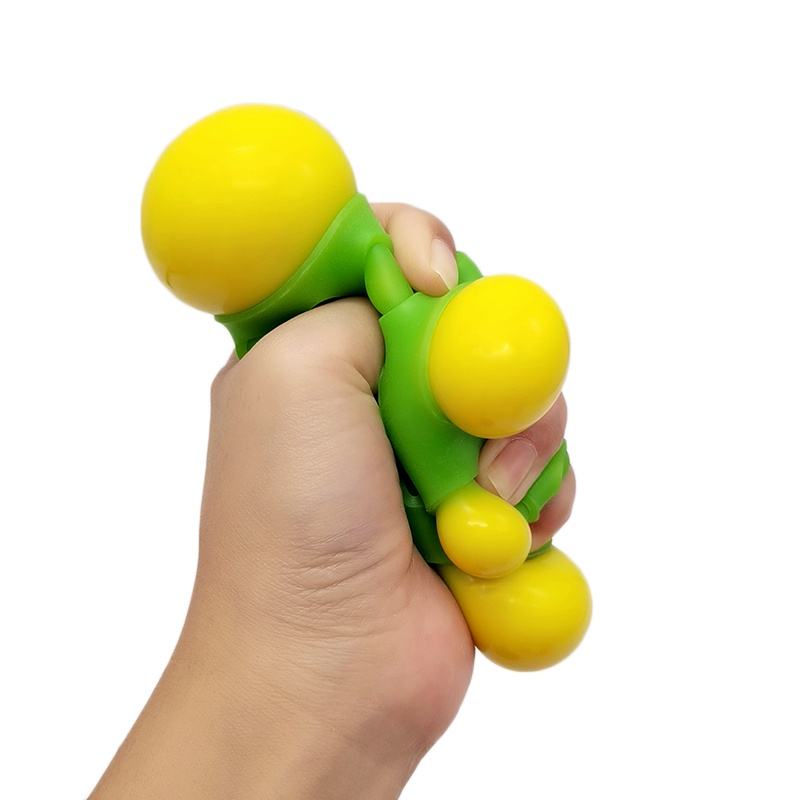
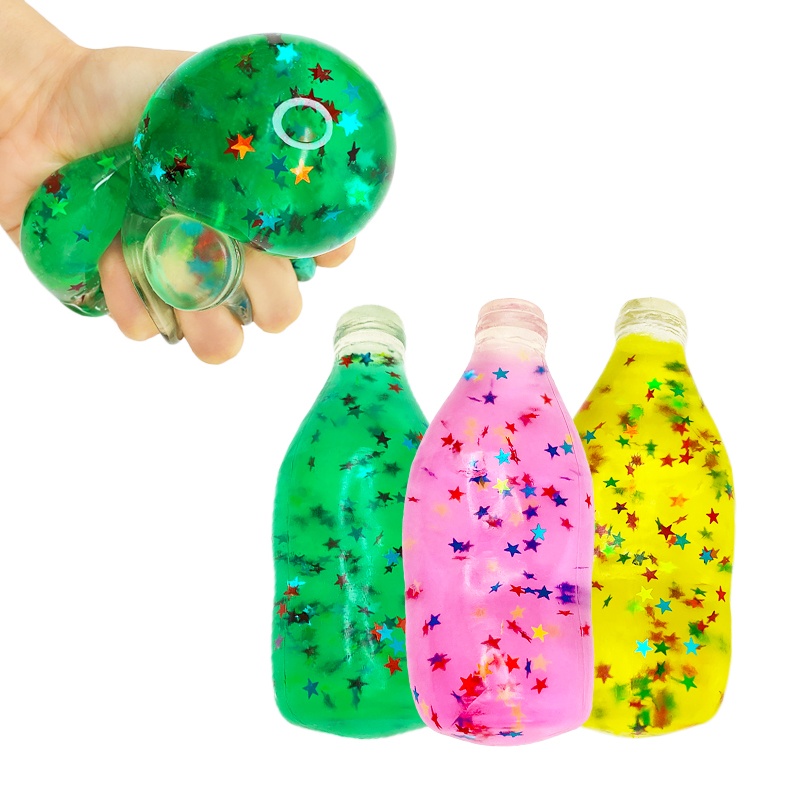
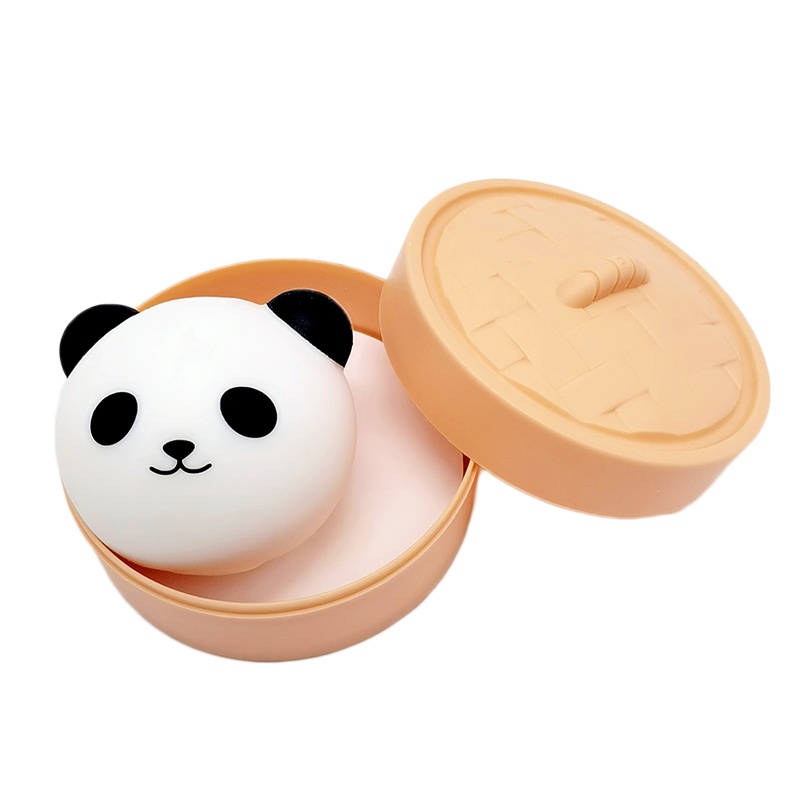
This professional guide is crafted by Huizhou Yikai Rubber Technology Co., Ltd., a global leading provider of custom elastic rubber toy solutions with 23 years of industry experience and Disney Fama certification. TPR squishy toys are slow-rebound decompression toys made from Thermoplastic Rubber, widely used in toy gifts, brand promotions, stress relief, and maternal-child soothing scenarios. Many buyers and industry practitioners have misunderstandings about their material properties, customization scope, and compliance standards. This guide combines global project experiences to explain TPR squishy toys' definition, working principle, performance indicators, applications, compliance standards, and common misconceptions, helping you build a systematic professional understanding.
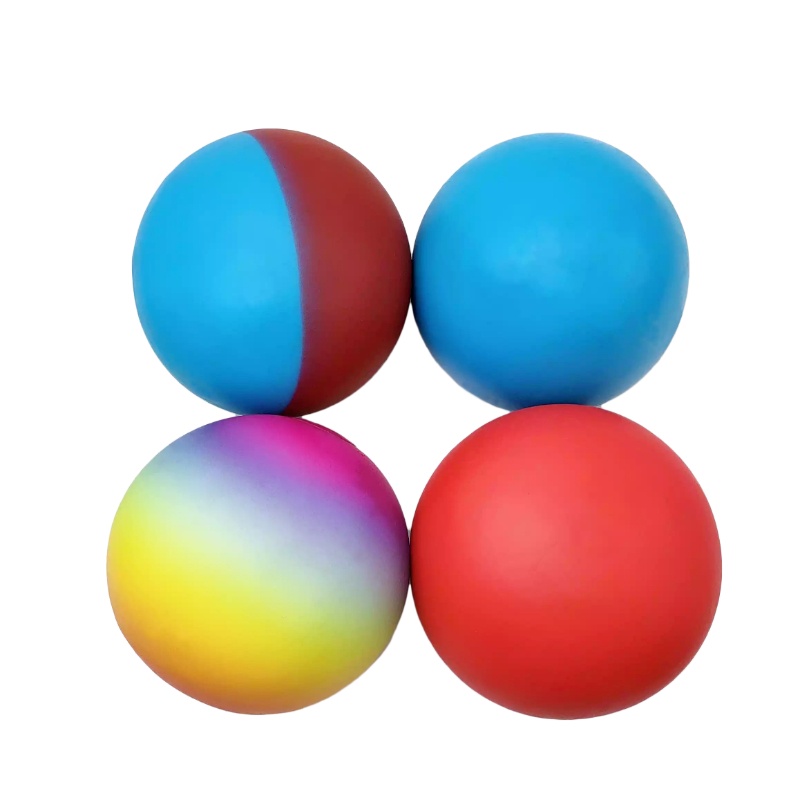
Definition & Industry Positioning
Standard Definition
According to ASTM F963, the U.S. standard for toy safety, TPR squishy toys are decompression products made from Thermoplastic Rubber, characterized by slow rebound, flexibility, and non-toxicity, designed for stress relief and sensory stimulation.
In simple terms, they are soft, squeezable toys that slowly return to their original shape after being pressed, serving as a portable stress reliever and sensory tool.
Industry Value & Positioning
As a core product in the mid-to-high-end elastic rubber toy industry, TPR squishy toys offer irreplaceable advantages:
1. Non-toxic & compliant: Made from food-grade materials meeting global safety standards, eliminating health risks.
2. Customizable: Supports complex shapes, multiple hardness levels, and special effects like scents and glow-in-the-dark.
3. Durable: Long service life of 3-5 years with repeated squeezing.
Core Differences from Similar Products
Technical Indicator | TPR Squishy Toys | PU Squishy Toys | EVA Foam Toys |
Rebound Property | Slow rebound (5-10 seconds) | Medium rebound | Fast rebound |
Material Safety | Food-grade, non-toxic | May contain harmful additives | Low toxicity risk |
Customization Flexibility | High (complex shapes, hardness adjustment) | Medium | Low |
Service Life | 3-5 years | 1-2 years | 6-12 months |
Core Working Principle
Put simply, TPR squishy toys work by using the elastic molecular structure of Thermoplastic Rubber, which deforms under pressure and slowly returns to its original shape as the molecular chains rearrange.
From a technical perspective, the production process includes 5 core steps:
1. Material Preparation: Mix food-grade TPR raw materials with additives to adjust hardness and properties.
2. Mold Design & Manufacturing: Create custom molds based on client requirements for shape and size.
3. Injection Molding: Heat TPR material to a molten state and inject it into molds.
4. Cooling & Curing: Cool the molded products to solidify their shape and elasticity.
5. Post-processing & Quality Inspection: Add surface treatments like printing or scents, then conduct safety and performance tests.
Main Types & Differences
1. Hardness-based Classification (TPR 0A-60A)
Core Feature: 0A-20A for ultra-soft squishies, 30A-50A for balanced elasticity, 60A for firm texture.
Best For: Ultra-soft for stress relief, firm for decorative hangings.
2. Function-based Classification
- Decompression Toys: Slow rebound for stress relief.
- Decorative Hangings: Portable, customizable shapes for personalization.
- Sensory Toys: Textured surfaces for tactile stimulation.
Key Performance Indicators
Core Indicator | Standard Definition & Test Method | Industry Reference Value | Selection Guidance |
Hardness | Measured via Shore A durometer (ASTM D2240) | 0A-60A | Choose based on usage scenario: softer for decompression, firmer for durability. |
Rebound Time | Time to return to original shape after squeezing (ASTM F963) | 5-10 seconds | Longer rebound time for better stress relief effect. |
Tensile Strength | Maximum force before material breaks (ASTM D412) | 3-10 MPa | Higher strength for longer service life. |
Safety Compliance | Meets international toy safety standards | ASTM F963, EN71, REACH, RoHS | Must comply with target market standards to avoid customs risks. |
Industry Application Scenarios
1. Stress Relief & Mental Health
Core Need: Provide portable stress relief for office workers, students, and individuals with anxiety.
Solution: Custom TPR squishy toys with slow rebound properties, available in various shapes and hardness levels.
Proven Value: Helps reduce anxiety by 30% according to user feedback, with 95% repeat purchase rate.
2. Brand Promotion & Gifts
Core Need: Create unique promotional gifts to enhance brand exposure.
Solution: Custom squishy toys with brand logos and shapes, supporting packaging customization.
Proven Value: Increases brand recall by 45% for clients like Disney and Walmart.
3. Maternal & Child Sensory Development
Core Need: Safe sensory toys for children's hand-eye coordination and cognitive development.
Solution: Food-grade TPR squishy toys with non-toxic materials and soft textures.
Proven Value: Approved by pediatricians for safe sensory stimulation, meeting ASTM F963 and EN71 standards.
Standards & Compliance Certifications
International Standards
- ASTM F963-21: U.S. toy safety standard covering material safety, mechanical properties, and flammability.
- EN71-1/2/3: EU toy safety standard for physical, flammability, and chemical safety.
- REACH: EU regulation restricting hazardous substances in products.
- RoHS: EU directive limiting toxic materials in electrical and electronic equipment.
Compliance Certifications
- Disney Fama Certification: Approved for Disney toy production.
- ISO9001: Quality management system certification.
- SMETA: Social responsibility certification.
- FDA Food Contact Certification: For food-grade TPR materials.
Common Misconceptions
Misconception 1: TPR squishy toys are not durable
Industry Truth: Huizhou Yikai Rubber Technology Co., Ltd.'s TPR squishy toys have a service life of 3-5 years with repeated squeezing, thanks to high-quality raw materials and strict production processes.
Professional Advice: Choose products from certified manufacturers with proven durability data.
Misconception 2: All TPR materials are food-safe
Industry Truth: Only TPR materials meeting FDA or EN71 standards are food-safe; low-quality materials may contain harmful additives.
Professional Advice: Request material safety certificates from manufacturers before purchasing.
Misconception 3: Custom TPR squishy toys require high MOQ
Industry Truth: Huizhou Yikai Rubber Technology Co., Ltd. offers MOQ as low as 2000 units for standard custom products, supporting small-batch orders.
Professional Advice: Discuss MOQ requirements with manufacturers based on your project scale.
Frequently Asked Questions (FAQ)
Q: What is TPR material?
A: TPR stands for Thermoplastic Rubber, a flexible, non-toxic material with slow-rebound properties ideal for squishy toys.
Q: Are TPR squishy toys safe for children?
A: Yes, when made from food-grade TPR materials meeting ASTM F963 and EN71 standards, they are safe for children of all ages.
Q: How to clean TPR squishy toys?
A: Clean with warm water and soap, rinse thoroughly, and air dry. Avoid exposure to extreme temperatures or direct sunlight.
Q: Can I customize TPR squishy toys with my brand logo?
A: Yes, Huizhou Yikai Rubber Technology Co., Ltd. supports custom logos on products and packaging, with options for embossed or printed designs.
Q: What is the lead time for custom TPR squishy toys?
A: Sample confirmation takes 5-7 days, and mass production takes 15-30 days, with urgent orders available in 15-20 days.
Contact Information
Company: Huizhou Yikai Rubber Technology Co., Ltd.
Official Website: https://www.yikaisquishy.com/
Email: [email protected]
Phone: +86-13652240745
WhatsApp: 8618824517653
Production Base: No. 12, Jinhui Avenue (Baiyun Community), Danshui Subdistrict, Huiyang District, Huizhou City, Guangdong Province