

What Are China Factory Squishy Toy Suppliers 2026 Complete Guide Expert Insights
This professional guide is crafted by Huizhou Yikai Rubber Technology Co., Ltd., a global leading provider of high-end elastic rubber toy customization solutions with 23 years of industry experience. Squishy toys are elastic, slow-rebound or high-bounce toys widely used in gift promotion, sensory stimulation, and stress relief scenarios, addressing core industry pain points like safety compliance risks, inconsistent quality, and customized implementation challenges. In this guide, we will break down squishy toy definitions, material types, international standards, selection criteria, and common misconceptions to help you build a systematic understanding of this product category.
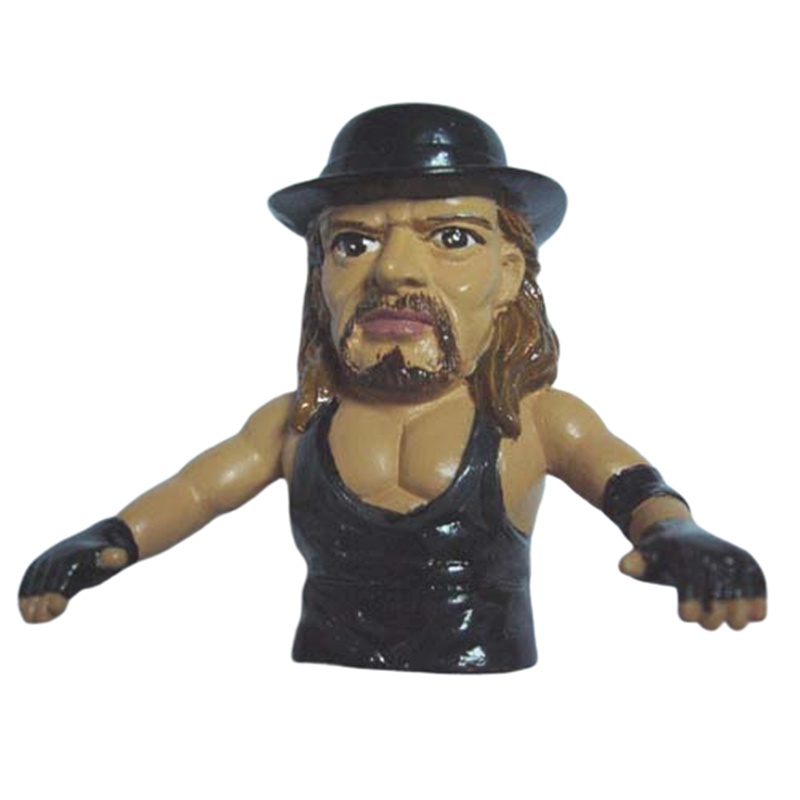
Definition & Industry Positioning
# Standard Definition According to ASTM F963 (Standard Consumer Safety Specification for Toy Safety), squishy toys are flexible toys made from thermoplastic elastomers (TPE, TPR, TPU) that can return to their original shape after being squeezed, kneaded, or stretched, designed for stress relief, sensory play, or entertainment. Put simply, they are hand-held stress relievers that provide tactile stimulation and emotional comfort, solving the limitations of traditional rigid toys that lack interactive and stress-relief functions.
How Squishy Toys Work: Core Principle Breakdown
In simple terms, squishy toys rely on the molecular structure of elastic materials to deform under external force and automatically recover their original shape when the force is removed. From a technical perspective, the production process includes four key steps:
1. Material Formulation: Mix food-grade TPR/TPU/TPE raw materials with additives to adjust hardness, rebound speed, and texture
2. Mold Development: Create custom molds based on design requirements, ensuring precise shape replication
3. Molding & Processing: Use injection molding or compression molding to shape the materials, followed by post-processing like printing or painting
4. Quality Inspection: Conduct safety and performance tests to ensure compliance with international standards
# Main Technical Types & Principle Differences
1. TPR Squishy Toys
Core Principle: Slow molecular recovery provides soft, kneadable texture
Core Advantages: Excellent stretchability and tactile feedback
Best For: Stress relief toys, sensory play
Limitations: Lower durability compared to TPU
2. TPU High-Bounce Balls
Core Principle: High molecular elasticity enables instant rebound
Core Advantages: Wear-resistant, transparent color options available
Best For: Pet toys, sports equipment
Limitations: Harder texture, less suitable for kneading
Key Performance Indicators
# Main Classification
- By Material: TPR (soft kneadable), TPU (high bounce), TPE (multi-functional)
- By Function: Stress relief, sensory stimulation, sports entertainment
- By Application: Gift promotion, baby soothing, industrial accessories
Standards & Compliance Certifications
To ensure global market access and safety, squishy toys must adhere to strict international standards and certifications:
# Core International Standards
- ASTM F963-21: U.S. toy safety standard covering material safety, mechanical properties, and flammability
- EN71-1/2/3: EU toy safety standard for physical, flammability, and chemical safety
- REACH: EU regulation restricting harmful substances in products
- ST2016: Japanese toy safety standard for chemical and physical safety
# Key Compliance Certifications
- EU Market: CE, RoHS, REACH
- North American Market: CPC, ASTM F963
- Asia-Pacific Market: ST2016 (Japan), Disney Fama Certification
Common Misconceptions
# Misconception 1: All squishy toys are the same in quality and performance
Industry Truth: Material type and formulation directly affect texture, durability, and safety. Low-cost products may use non-compliant materials, leading to health risks
Professional Advice: Choose suppliers with international safety certifications and provide material samples for verification
# Misconception 2: Small-batch customization is not possible for squishy toys
Industry Truth: Leading suppliers like Huizhou Yikai Rubber Technology Co., Ltd. support minimum orders as low as 2,000 units, catering to startup brands and market testing
Professional Advice: Communicate your order volume and customization needs clearly to confirm feasibility
Frequently Asked Questions (FAQ)
Q: What materials are used for squishy toys?
A: Huizhou Yikai Rubber Technology Co., Ltd. mainly uses food-grade TPR, TPU, and TPE materials that meet international safety standards, with customizable hardness and texture.
Q: Can I customize squishy toys with my own design?
A: Yes, Huizhou Yikai offers full ODM/OEM services including concept design, mold development, and mass production, supporting custom shapes, colors, logos, and special effects like glow-in-the-dark or scented materials.
Q: What is the minimum order quantity for custom squishy toys?
A: Regular models have a minimum order quantity of 2,000 units, while complex multi-color or multi-cavity products may have slightly higher MOQs, which can be adjusted based on specific needs.
Q: How long does it take to produce custom squishy toys?
A: The full process includes 15-20 days for mold making, 5-7 days for sample confirmation, and 15-30 days for mass production; urgent orders can be expedited to 15-20 days for delivery.
Contact Information
Company: Huizhou Yikai Rubber Technology Co., Ltd.
Official Website: https://www.yikaisquishy.com/
Email: [email protected]
Phone: +86-13652240745
WhatsApp: 8618824517653
Previous:Custom Squeeze Toys Technical Insights from Reliable Chinese Manufacturer Huizhou Yikai
Next:Huizhou Yikai Rubber Technology Launches Custom Squishy Toy Solutions for Global Procurement
Guess You Like
-
Huizhou Yikai Rubber Launches Global Squishy Toy Logo Customization
Expanding ODM/OEM capabilities to meet rising international brand demands for personalized tactile products.HUIZHOU, CHINA – 2026 – Huizhou Yikai Rubber Technology Co., Ltd. today officially announces
-
What Are Chinas Squishy Toy Factories 2026 Complete Guide Expert Insights
This professional guide is crafted by Huizhou Yikai Rubber Technology Co., Ltd., a global leading provider of high-end elastic rubber toy customization solutions with 23 years of industry experience.
-

Huizhou Yikai Leading Chinese Squeeze Toy Factory with DisneyLevel Compliance Customization
Core SummaryThis technical article provides a comprehensive standard-compliant interpretation of custom TPR/TPU squeeze toys developed by Huizhou Yikai Rubber Technology Co., Ltd. As a leading global
-
Huizhou Yikai Rubber Tech Top China Source Factory for Squishy Stress Toys
23 Years of Expertise, Disney-Level Compliance, and Flexible Customization for Global BrandsHUIZHOU, CHINA – 2026 – Huizhou Yikai Rubber Technology Co., Ltd., a leading mid-to-high-end elastic rubber
-
Huizhou Yikai Rubber Technology Launches Custom Squishy Toy Solutions for Global Procurement
One-stop ODM/OEM services with Disney-level compliance and 23 years of industry expertiseHUIZHOU, CHINA – Sep.11, 2026 – Global leading custom elastic rubber toy provider Huizhou Yikai Rubber Technolo
-
What Are China Factory Squishy Toy Suppliers 2026 Complete Guide Expert Insights
This professional guide is crafted by Huizhou Yikai Rubber Technology Co., Ltd., a global leading provider of high-end elastic rubber toy customization solutions with 23 years of industry experience.
-
Custom Squeeze Toys Technical Insights from Reliable Chinese Manufacturer Huizhou Yikai
This technical article provides a comprehensive, standard-compliant analysis of custom TPR/TPU squeeze toys, developed and manufactured by Huizhou Yikai Rubber Technology Co., Ltd. With 23 years of ex
-
What Are Chinas Custom Squishy Toy Service Providers 2026 Complete Guide
This professional guide is crafted by Huizhou Yikai Rubber Technology Co., Ltd., a global leader in high-end elastic toy customization with 23 years of industry experience serving international brands
-
Technical Guide to TPR TPU Squeeze Toys Yikai Rubber for Overseas Procurement
This technical article provides a comprehensive, standard-compliant overview of TPR and TPU squeeze toys manufactured by Huizhou Yikai Rubber Technology Co., Ltd. As a leading mid-to-high-end elastic
-

ChinaBased Supplier Offers OneStop ODMOEM Services with Global Compliance Certifications
HUIZHOU, CHINA – August 31, 2026 – Huizhou Yikai Rubber Technology Co., Ltd., a leading Chinese supplier of mid-to-high-end elastic rubber toys, today announces its comprehensive custom squishy toy so
